Was Creation of Eve From Adam's Rib Accurate
Atheists Pg > Atheists Bible Challenge
Do You Believe the Bible Was Written by Man Without Help From a Higher Intelligence?
By Stephen Michael Leininger
Published: 11/30/2018
Updated 09/08/2026
STOSS Books
Do you believe the Bible was written solely by man alone? Do you believe these human authors were not inwardly inspired by a higher intelligence—maybe even a Divine Intelligence??? Let’s examine the mysteries of science that we believe God inspired Moses to reveal in the biblical account of Eve’s creation. Incidentally, there are at least thirty-four such mysteries in the Bible that have been uncovered by author, Stephen Michael Leininger. So the following example is, by no means, an isolated occurrence.
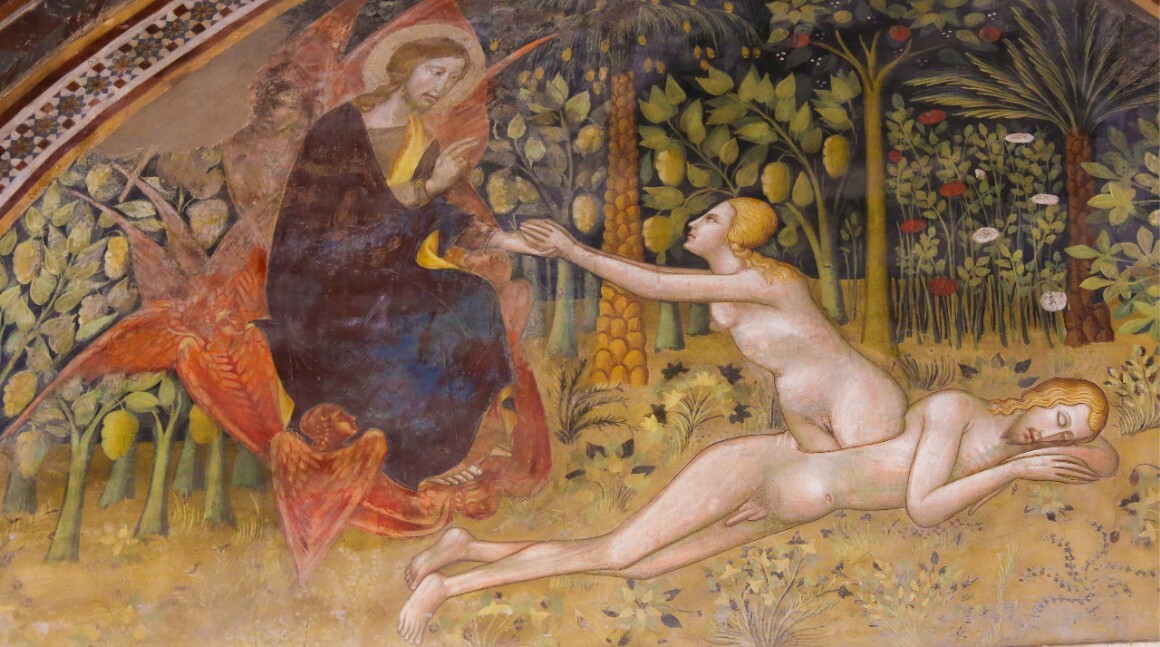
The following is the biblical account of Eve’s creation from Adam’s rib. After reading it, and also the background information that follows it, you will be asked to take the atheist’s challenge concerning those verses.
Genesis 2:20-24 (RSVCE)
* Verse 20 -- The man gave names to all cattle, and to the birds of the air, and to every beast of the field; but for the man there was not found a helper fit for him.* Verse 21 -- So the LORD God caused a deep sleep to fall upon the man, and while he slept took one of his ribs and closed up its place with flesh;* Verse 22 -- and the rib which the LORD God had taken from the man he made into a woman and brought her to the man.* Verse 23 -- Then the man said, “This at last is bone of my bones and flesh of my flesh; she shall be called Woman, because she was taken out of Man.”* Verse 24 -- Therefore a man leaves his father and his mother and cleaves to his wife, and they become one flesh.
The Science of Eve’s Creation
The following scientific discoveries will help to understand how God accomplished his goal, as described by Moses, which was to create a “helpmate” (Eve) from the human material of Adam’s body. Let me preface the discussion of the rib with a comment about a common misinterpretation of Genesis. Many try to equate the rib as being a symbolic representation of a covenantal marriage (the two become one-flesh). However, the case will be made here that attaching allegory, metaphor, or symbol to the interpretation of the rib in Genesis 2 would be a mistake. Why? It would be tantamount to saying the most important takeaway from Jesus’ birth in a stable is that he loved poverty. While that interpretation would be true, it doesn’t come close to being the most significant exegetical conclusion. Even worse, a literal versus literalistic interpretation could lead to false interpretations. As we read on, we will understand why this is true. Valid exegesis, however, can be attained employing the languages of myth and phenomenology. These languages describe events that represent paradigmatic shifts in understanding.
1. While all bones can repair themselves, only the rib cage can generate an extra rib, but it is a congenital anomaly.[1] It should be noted that, while mammalians are not naturally able to regenerate complete bones, when on factors in the role of material and spiritual light, it is not just likely, but a certain capability. See article, “Did God Replace the Rib He Took from Adam.”2. Ribs are one of only a few bones that continue to make red marrow, which also means the rib continues to produce blood cells into adulthood (Adam, incidentally, was formed as an adult). Consider this: in Scripture it says that our life is in the blood (Gen 9:4; Lev 17:11-14; Dt 12:23);3. The rib is one of the most prolific producers of stem cells, which would be absolutely necessary if God’s intention was to make from Adam’s body, a fully developed female body (remember, Adam declared Eve to be bone of his bones and flesh of his flesh, Gen 2:23). Therefore, God also knew about, and reveals to us, in an Applied Sciences way and using phenomenological language, the science of stem cells.[2] Stem cells are capable of differentiating, i.e., becoming other types of cells. For example, a stem cell can become (turn into) a brain cell, a nerve cell, a heart cell, and so on. It should be noted that recent scientific discoveries have uncovered that electromagnetic energy (EME) plays vital role in all meiosis, mitosis, and differentiation. This includes immediately upon penetration of the egg cell by the sperm, which triggers a spark of light.
4. While mammalians are not able to naturally regenerate a complete rib, for a man still in a state of original justice it would be more than plausible.[3]
“Reprogrammed” adult somatic/stem cells, e.g., hematopoietic and mesenchymal stem cells[3-A], can be found in the rib, to become induced pluripotent stem (iPS) cells.[3-B] Of the three, only the pluripotent cells are capable of differentiating into every cell type necessary to make a complete human body.[4] In the Bible verses displayed above, Moses reveals not only the science behind stem cells, but also the science behind the various types of stem cells.
There is only one type of stem cell missing from Adam’s rib. As a consequence of this fact, it would seem that Eve was made as an adult (probably of Adam’s age), not born from a mother. Why? There are no totipotent stem cells located within the adult rib.[5] Without totipotent stem cells, a placenta could not be grown.[6] Only embryonic stem cells, very quickly after fertilization, are considered totipotent.[7] The lack of totipotent and/or embryonic stem cells in Adam’s rib would support this hypothesis. Additionally, the book of Genesis lacks any wording which would indicate there was an embryonic Eve. Consequently, her corporeal personality could not be a result of “nurture” by any other human being.
In the Blog section of this website, there is a three-part blog that addresses the actual historicity of Adam and Eve and their mode of creation. The title of this three-part series is: Mitochondrial Eve: Should Christians be Worried? In Part I: Scripture, Magisterial documents, and the writings of others are used to support the literal interpretation of Genesis 2: 20-24. In Part II: the relationship between the science relating to so-called mitochondrial Eve and Scripture is examined. In Part III: it is shown that any hypothesis that starts with the assumption that Adam & Eve were born and not made is, from a theological standpoint, highly problematic—even heretical. In fact, a section of mtEve Part III discusses the biological sciences, theology, and philosophy that comprehensive supports the hermeneutic that Eve was created exactly in the manner Scripture tells us.
In Genesis, using the languages of myth and phenomenology, Moses revealed to us (with or without his personal comprehension of the science) the science behind surgery and adult stem cell therapy (Gen 2: 21). Callea et al., marveled at the analogy between sleep and anesthesia (as would be necessary for bone marrow transplant). According to Drs. Francesco and Michele Callea, “The recent discovery (or rediscovery) of stem cells in bone marrow and their application in regenerative medicine would seem to support the hypothesis that the development of science could be predicted from the story of Adam’s rib. Surprisingly, the progress of science, in turn, may lead us to look again into the narrative of our evolutionary ancestry.” It would seem, at least in part, that they concur with the very claim made in the past, which is this: many of the scientific discoveries, especially concerning man, occurring today have been hidden in Scripture (not in textbook fashion, but as Applied Science) for thousands of years, beginning with the Genesis account of Adam and Eve.[8] God is not anti-science. Rather, He is the Scientist-in-Chief.
This leads us to an important question. Of all the bones in the body, why did Moses focus on, and select, the rib? If your reply is something along the lines of its close proximity to the heart, then you are begging the question. How could Moses have known that the heart, in particular, was associated with emotions, feelings of love, desire for beauty (real or perceived beauty), or hate? The first mention of the heart in Scripture was in chapter six of Genesis. It was used in the very context of emotions/feelings of love, desire, or hate. Over three thousand years ago, Moses could not have known enough to make that association, unless he was inspired by a higher intelligence, an intelligence that also fully “Loves” (Gen 6:6). Let’s examine the importance of the heart to Eve’s creation and the importance of the woman’s role as the holy spirit of the family, as revealed in blog post Parts One and Two.
In “Light” of Adam’s Heart and Eve’s Creation
Returning to Genesis, God caused a deep sleep to fall upon Adam. According to JP II’s thoughts, the word sleep in this passage, could very well have been a state of ecstasy.[9] The Hebrew word for Adam’s sleep is tardemah and the Septuagint (the Greek translation of the Hebrew Scripture) translates the word into ekstasis (ecstasy).[10] Theologian Francois-Xavier Durrwell tells us that the Holy Spirit is the ecstasy of the Father and the Son.[11] This is very significant. The Holy Spirit is the ecstasy of God. The same Spirit dwells in the inner heart of man and overflows to the rest of the body. Based on a vision received from God, St. Hildegard of Bingen writes about the heart, “The [biological] heart is the life and structure of our entire organism. It contains the whole body. Within it our thoughts are arranged and our will is brought to maturity.”[12] The understanding and significance of this quote will become much clearer as we discuss the science of the heart. First, we will discuss the properties of light (electromagnetic radiation). Then we will talk about the heart itself.
Wherever there is electrical current, there are, as a direct result of said electrical current, generated photons of light (EMR). The heart is the most powerful generator of electromagnetic energy in the human body.[13][14] This energy envelops every cell in the human body. Furthermore, the generated magnetic field extends outward several feet or more in all directions from the body.[15][16] The electromagnetic field produced by the heart is 5,000 times stronger than the field generated by the brain. Using a magnetometer, the magnetic field of the heart can be detected at approximately three feet away. In contrast, the brain’s magnetic field can only be detected up to about three inches away.[17][18]
If you wish to view a video of the generation of this electrical current, go to https://www.youtube.com/watch?v=v7Q9BrNfIpQ. What is really amazing is that electromagnetic fields are an important carrier of information.[19][20][21]. What information is carried by light? Light carries information critical to the self-organizing, or lack thereof, of living molecular systems which are trying to pull themselves up from disorder.[22] The electromagnetic field the heart generates can be coherent (ordered and consistent) or incoherent (disordered and erratic).[23] John Paul II believed biological coherence/harmony was a sure sign of purity of the human heart.[24] According to Dr. Fritz-Albert Popp, coherency means that an event occurring in one part of the organism immediately becomes an event for the entire organism. This is due to the specific communicative properties of biologically generated light.[25]
Feelings of love, care, and appreciation have been shown to generate a coherent field. Feelings of anger, frustration, and stress, on the other hand, generate an incoherent field. Research seems to indicate, whichever of these two types of field is generated by the heart, it will have a physiologically impact on the entire body.[26] Pope St. John Paul II tells us:
The body speaks not merely with the whole external expression of masculinity and femininity, but also with the internal structures of the organism, of the somatic [the entire body and its aggregate parts] and psychosomatic [relating to the mind/mental] reaction.[27]
Here’s another insight into the Genesis account of Eve’s creation. In verse 21, Moses tells us that God, in effect, opened up Adam’s flesh (as in, made an incision), took the rib, and then closed it up with flesh (Gen. 2:21). Remember, God is light unapproachable. He created material light to help us comprehend His Divine Light. Do you believe God used a physical scalpel to open Adam up? What is it doctors currently use to make an incision? It is highly structured/coherent light, called a laser. What about closing the incision up with flesh. “Contrary to old and traditionally held beliefs, research is beginning to dispel the idea that hormones (proteins expressed by genes within our DNA) are the primary cause for the triggering of cell division (mitosis and meiosis) in growing embryos.[28][29] Research now suggests it is signaling coming from light in the UV spectrum originating from within the cell itself, termed mitogenic radiation (MGR).”[30][31] Hormones assume a more instrumental role in the process.
Here is one of the most important pieces of information relative to Eve’s creation in the image and likeness of Divine Charity. As we said previously, light is the carrier of information that organizes/builds biological life and affects how our DNA functions.[32][33] Using a REAC device (Radio Electric Asymmetric Conveyor), Drs. Carlo Ventura and James Gimzewski have been able to capture the magnetic and electromagnetic fields (fields of light) generated by a collection of the cells of the entire body. They have found that these electromagnetic fields (such as the electromagnetic field generated by the beating heart) were able to cause non-differentiated stem cells to become differentiated cell types, such as heart muscle cells, nerve cells, skin cells, etc.[34] Their research does not stop there. The internal matrix of the cell is permeated by a sort of scaffolding that is made up of fibers. These fibers are continuously vibrating at specific frequencies. These frequencies change in response to environmental factors. Ventura and Gimzewski have been investigating whether or not the vibrations recorded from a beating heart affects the differentiation of stem cells exposed to that energy of sound (recall Adam’s rib).
Initial results are indicating their hypothesis is correct[35], maybe even understated. Recent studies have supported the belief that the heart generated significant electromagnetic fields.[35B] The magnetic field of which could be meaured a little over an inch from the body.[35C]
I’m not going to go into any details in this article, but there are examples from the mystics that reinforce our assertion that the indwelling of the Holy Spirit in the human heart affects both the spiritual and biological heart—the heart of flesh as described in Scripture (e.g., Ez 36:25-27 DRA)—as well as those in close proximity to it. In the case of the biological heart, these changes are marked and measurable. There are, at least, three documented and approved cases where saints of the Church have had miraculous effects produced on the biological heart as a result of the presence and indwelling of the Holy Spirit. They were St. Philip Romolo Neri, St. Gertrude, and St. Gemma Galgani. Think also about the Sacred biological Heart of Jesus. Think about St. John (who rested his head on the breast/heart of Jesus at the Last Supper). These miracles help to validate the truth of these scientific studies regarding the human heart. The miracles mentioned above demonstrate conclusively that the Divine Light of the Holy Spirit dwelling in the spiritual soul produce physical effects on the function of the body, especially the biological heart.
The Science of the Heart
There is a reason that Scripture refers to the heart (830 times) much more than the mind (273 times). It used to be believed that the brain (mentioned zero times in Scripture) almost completely controlled the heart’s actions. We now know that is not correct. Almost every Eucharistic miracle in which the flesh of Jesus is revealed, tests reveal it is biological heart muscle tissue that is made visible. Furthermore, in cross-sections of the tissue from the Lanciano Eucharistic miracle, tests revealed the presence of the vagus nerve. Why is that significant?
The vagus nerve connects the brain to the heart (it extends to several other parts of the body, as well).[36] According to Oliver G. Cameron, “It has been estimated that more than 80% of the vagal fibers are visceral [i.e., afferent to the body’s organs] afferent.” Meaning that signals travel from the heart to the brain—not vice versa.[37]
According to Hoffman & Schnitzlein 1961 estimate: “The total number of nerve fibers in the mid-cervical vagus nerve of man (table 1) varies from 45,110 to 153,123 fibers (right avg. =105,375 +/- 6281; left avg.=87,379 +/- 3948).”[38] The combined total for the mid-cervical vagus averaged 192,754. If both Cameron and Hoffman are both correct, that would mean an average of 154,203 vagus nerve fibers going from the heart to the brain.
From Bettino Kronsteiner et al. we read:
The right and left cervical VN (cVN) contained a total of 25,489 ± 2781 and 23,286 ± 3164 fibers, respectively. Two-thirds of the fibers were unmyelinated and one-third were myelinated. About three-quarters of the fibers in the right and left cVN were sensory (73.9 ± 7.5 % versus 72.4 ± 5.6 %), while 13.2 ± 1.8 % versus 13.3 ± 3.0 % were special visceromotor and parasympathetic, and 13 ± 5.9 % versus 14.3 ± 4.0 % were sympathetic. Special visceromotor and parasympathetic fibers formed clusters. The superior cardiac branches comprised parasympathetic, vagal sensory, and sympathetic fibers with the left cardiac branch containing more sympathetic fibers than the right (62.7 ± 5.4 % versus 19.8 ± 13.3 %), and 50 % of the left branch contained sensory and sympathetic fibers only.[39]
According to PerplexityAI: The defensible takeaway from the above quote is this: “the two cervical vagus nerves together contain roughly 48,800 fibers, approximately 35,700[73%] of which are sensory [afferent, i.e., traveling toward the brain] on average, but the quoted passage does not state how many of those sensory fibers originate in the heart.” Consequently, Cameron and Kronsteiner are fairly close in their estimates. Without further data about the proportion of heart nerves versus others origins of the afferent fibers, I think it likely there a more afferent heart-->brain fibers then efferent brain-->heart fibers.
In an earlier section dealing with Adam’s heart, we discussed the light generated from pulsations of his perfectly ordered heart on Eve’e formation. Here is another indication how the difference in the heart of a woman differs from that of a man. The coherence/order of the electrical signals (also light) traveling from the heart to the brain would vary according to the coherence/order of the electromagnetic field generated by the heart. Another destination of the vagus nerve is the voice box (the larynx).[40] It would be logically consistent to believe the ‘quality’ of the signaling would also affect the voice. Possible evidence of said difference is this: a man processes a female’s voice in the area of the brain that processes music. The female voice is much more melodic and complex than the male voice.[41] As a consequence, and by comparison, men register another man’s voice in the region of the brain that processes visual information.[42] It would seem there is a very important reason that Jesus wanted to include the vagus nerve with his exposition of his human heart.
In Scripture, the power of the voice/sound is frequently revealed. For example, I think there is a deeper reason the Angel Gabriel instructed Mary to go in haste to visit her cousin Elizabeth, who was six months pregnant with John the Baptist. Considering John’s mission, I believe there was a pressing scientific biological reason he wanted her to make the trip.
Paraphrasing an article written by Grace Wade for New Scientist magazine, we read:
The vagus nerve has been dubbed the sensory superhighway. . . . It helps regulate everything from the movement of food through our intestines to the steady beating of our heart. Recent research has revealed the vagus nerve’s role in a wider array of processes than we ever realized – not only monitoring organ function, but helping discern facial expressions and even regulating mood. Most enticingly, we are starting to understand how it governs inflammation, the immune response that runs rampant in conditions ranging from heart disease to Parkinson’s. . . . The vagus nerve regulates functions of the heart, stomach, lungs, liver and more.About 2000 years ago, a Roman physician accidentally damaged the vagus nerve of a pig. As a result, the pig stopped squealing but continued to squirm. Vagus nerve stimulation is used to successfully treat conditions such as: inflammation, migraines, epileptic seizures, depression, obesity.[42-A]
It was only recently discovered that the heart produces and releases hormones. In fact, as a result of these discoveries, the heart was reclassified as an endocrine, aka hormonal, gland in 1983.[43] It produces hormones that, up until recently, were only thought to be produced by the brain and the ganglia. Among others, the heart produces the following hormones: norepinephrine (a stress hormone); dopamine (a “reward” hormone that is associated with several addictions); epinephrine,[44] and; oxytocin,[44B] especially in childbirth. The latter is the hormone involved with creating enduring pair bonding, biological “love”, childbirth, complex sexual/maternal behaviors, and lactation, just to name a few.[45] It has also been discovered that the levels of oxytocin produced by the heart are about the same as is produced in the brain.[46]
Now we begin to see why the heart is associated with the ecstasy of love and the painful heartbreak that occurs when our love is not reciprocated. We can begin to see more clearly why the biological heart is the part of the “mouth” (in Scripture, the mouth symbolizes that which sends out the overflow of the inner heart, i.e., the material body) through which is expressed either “true” love (when the Spirit dwells in the inner heart) or biological love (when the flesh/chemicals are responding to sensual input that leads to hormonal desire).[47]
The heart communicates with the entire body through four means. They are:
1) neurologically (nervous system);2) biochemically (hormones);3) energetically (electromagnetic energy); and,4) biophysically (pulse waves).[48]
Researchers have made some very interesting discoveries concerning the physical heart. Coupling their research with the results of research conducted by Drs. J. Andrew Armour and Jeffrey Ardell,[49] we learn that the heart possesses its own complex “brain”(so to speak), complete with a network of neurons, proteins, neurotransmitters, and other components necessary for it to function as such. This, sort of, ‘heart brain’ is self-organizing and processes information independently of the cranial brain. Detecting the presence of hormones and other neurochemicals in the circulating bloodstream (all hormones are delivered through the bloodstream[49B]), the heart’s “brain” transmits this information to the cranial brain causing appropriate functional changes to its activities.[50][51]
Let’s tie this all together. The woman was taken out of man—more precisely, a stem cell of man. The stem cell was bathed in electromagnetic radiation generated by a heart that was in ecstasy due to the special indwelling of the Holy Spirit, who is Divine Light and Divine Charity. See The Science of Eve’s Creation for more in-depth discussion. Remember, this was before the fall of man. Consequently, Adam was already in a state of perfect goodness and coherence/order,[52] even before his ecstasy. Remember also, research indicates that light directs what stem cells become, how they function, and their functional coherence.
While I don’t know the particulars (I doubt anybody can), I have no doubt that being exposed, directly or indirectly, to the Light of the Holy Spirit would result in the woman’s creation as an imitation of the appropriations of the Holy Spirit, see here and here. If it is often the heart that is informing the brain how to act, than it is logical to conclude that a woman created from stem cells radically exposed to a beating heart would be built to think and act very much differently than a man, especially in matters of the heart. In the event of Adam’s creation, there was no other human heart to exert the very special influence that Eve experienced.
Summary: Was Genesis 2:20-24 Allegory, Metaphor, or Fable?
The wording of Eve’s creation informs us in no uncertain terms that nothing in Genesis 2:20-24 is meant to be interpreted as anything other than a factual scientific description of the process by which historical Eve was formed from historical Adam’s biological rib. Her formation was guided by the Divine Light of the Holy Spirit using the spiritual soul, which was the substantial form of her body, as its instrument.
Prior to the fall, the human body was designed by God to function perfectly. That perfect design included twenty-four ribs—twelve on each side of the lungs and heart.
1). As recorded in Genesis, God’s intention was to remove one of those ribs, from which God would take the stems cells necessary to form/grow Eve.*2). Since God’s perfect design of the human body included 24 ribs, anything less would result in an imperfect design. A design less able to protect both the lungs and heart from damage.3). Consequently, God used the only bone in the human body that is capable of regenerating itself, thus returning the body to its perfect state. God still got the stem cells he wanted in order to form Eve, and replaced the part he took from Adam.
The very fact that God took a bone out of Adam that would regenerate itself is a sure indication that the rib was not symbolic. The Genesis account of Eve’s creation was not allegory—but a real, historical, and scientific event. This is why God went into much greater detail about formation than the man’s creation.
*Scripture never specifically mentions creating a Person named Eve. In Genesis 1:27 it reads, “So God created [A] man in his own image, in the image of God he created him; male and female he created them.” Put another way, the rational man was created in such a way that it contained all the necessary elements from which the female could be formed from the man—from the male. Thus, resulting in the difference, yet complementarity, between man and woman.
The Pre-Challenge Background
Whether or not this account is inspired by God makes no difference to the question I will be asking you to answer. In fact, for the sake of this discussion, we’ll assume that it is simply a fable written by an ordinary man. Let me provide a little bit of historical context. The human author of the first five books of the Bible is most likely Moses. He wrote these books circa 1600 BC to 1400 BC (about 3,600 years ago). Medical treatments in those days consisted largely of the application of incense, herbal concoctions, remedies containing some amount of animal or human dung, and bandaging. As far as anatomy, they would have had an elementary, sense-based, understanding of body parts, but very little beyond that. All that we now know about the biological sciences would be completely unknown to people back then.
The Question:
How could Moses have known the scientifically correct wording (the ONLY scientifically correct wording) to accurately describe what it would take for God to accomplish (in Moses’ fable) the creation of a fully formed female from the body of the male, Adam?
The Challenge:
This is a challenge requiring a rhetorical answer. Provide an answer to the above question. All the information given that precedes this challenge, convey's verifiable scientific facts. The words of Moses have been accurately conveyed for millennia (even if it was only 200 years ago, the question and challenge would still be valid). The Dead Sea Scrolls, which contain an intact version of the first chapter of Genesis, date back to 100 – to 1 BCE (see here). Consequently, supposition and conjecture will not be accepted as a plausible answer to the question. Saying this Genesis account is nothing more than a fable simply begs the question. Incidentally, there are thirty-four such mysteries of advanced cutting-edge science that God has hidden in Scripture. It is our opinion that it would be extremely difficult for someone to examine all 34 mysteries and come away maintaining a plausible belief that some higher intelligence didn’t inspire the human authors.
To see a list of all blogs and articles with descriptions and links, go here.
Endnotes:
[1]. Keith L. Moore and Arthur F. Dalley, Clinically Oriented Anatomy, 4th ed. (Philadelphia: Lippincott Williams & Wilkins, 1999), p. 64 ; cited in Georgia Purdom, “The Amazing Regenerating Rib,” Answers in Genesis, https://answersingenesis.org/human-body/the-amazing-regenerating-rib/; February 4, 2009 (accessed 04/15/2016).
[2]. Callea, F. and Callea, M. (2011), “Adam’s rib and the origin of stem cells.” Am. J. Hematol., 86: 529. https://onlinelibrary.wiley.com/doi/pdf/10.1002/ajh.22005.
[3-A] S. Standring ed., Gray’s Anatomy: The Anatomical Basis of Clinical Practice 42nd Edition, (Elsevier Limited, 2021), ISBN: 978-0702077050 ; D. Lucas, “Structural organization of the bone marrow and its role in hematopoiesis,” Curr Opin Hematol, (2021), https://doi.org/10.1097/MOH.0000000000000621 ; Rohde D, Vandoorne K, Lee IH, “Bone marrow endothelial dysfunction promotes myeloid cell expansion in cardiovascular disease,” Nat Cardiovasc Res. (2022): 28-44, https://doi.org/10.1038/s44161-021-00002-8 ; all above cited in Vinod K Panchbhavi, Megna Panchbhavi, “Bone Marrow Anatomy,” Jan 17, 2025, Medscape/WebMD LLC, https://emedicine.medscape.com/article/1968326-overview#showall.
[3-B] Lei Ye, Cory Swingen, and Jianyi Zhang, “Induced pluripotent stem cells and their potential for basic and clinical sciences,” Current Cardiology Reviews 9, no.1 (2013): 63–72, https://doi.org/10.2174/157340313805076278 ; Wanet, A., Arnould, T., Najimi, M., & Renard, P., “Connecting Mitochondria, Metabolism, and Stem Cell Fate,” Stem cells and development 24, no.17 (2015): pp. 1957; 1959; 1966, https://doi.org/10.1089/scd.2015.0117.
[4]. Callea, F. and Callea, M. (2011), “Adam’s rib and the origin of stem cells.” Am. J. Hematol., 86: 529. https://onlinelibrary.wiley.com/doi/pdf/10.1002/ajh.22005.
[5]. Callea, F. and Callea, M. (2011), “Adam’s rib and the origin of stem cells.” Am. J. Hematol., 86: 529. https://onlinelibrary.wiley.com/doi/pdf/10.1002/ajh.22005.
[6]. Tabansky I, Stern JNH, “Basics of Stem Cell Biology as Applied to the Brain,” 2016 Jul 27, In: Pfaff D, Christen Y, editors. Stem Cells in Neuroendocrinology [Internet], Cham (CH): Springer; 2016. Available from: https://www.ncbi.nlm.nih.gov/books/NBK435799/ https://doi.org/10.1007/978-3-319-41603-8_2
[7]. Alison, M. and Islam, S., “Attributes of adult stem cells,” J. Pathol., 217 (2009): 144-160, https://doi.org/10.1002/path.2498.
[8]. Callea, F. and Callea, M. (2011), “Adam’s rib and the origin of stem cells.” Am. J. Hematol., 86: 529. https://onlinelibrary.wiley.com/doi/pdf/10.1002/ajh.22005.
[9]. John Paul II, in his general audience of Nov. 7, 1979, “Return to the Subject of Human Love in the Divine Plan,” Theology of the Body (Third Millennium Media L.L.C., The Faith Database L.L.C., 2008), note #3.
[10]. John Paul II, “Return to the Subject of Human Love in the Divine Plan,” notes #2-3.
[11]. Francois-Xavier Durrwell, Holy Spirit of God (original English translation published by Geoffrey Chapman, a division of Cassell, Ltd., 1986; reprint published by Servant Books, Cinncinati, OH, 2006)18-19.
[12]. Robert Cunningham, Rev. Jerry Dybdal, and Ron Miller trans, Hildegard of Bingen's Book of Divine Works: With Letters and Songs, ed. Matthew Fox (Santa Fe, New Mexico: Inner Traditions Bear & Company. Kindle Edition, June 1, 1987), Kindle Locations 2380-2381.
[13]. Rollin McCraty, Ph.D., Science of the Heart, Vol. 2, HeartMath Institute, (Boulder Creek, CA: Institute of HeartMath, 2015), 36.
[14]. Katharine O. Burleson, Gary E. Schwartz. “Cardiac torsion and electromagnetic fields: The cardiac bioinformation hypothesis,” Medical Hypothesis, 2005, Vol. 64, 1109-1116; https://doi.org/10.1016/j.mehy.2004.12.023.
[15]. McCraty et al., Science of the Heart, Vol. 2, 36.
[16]. Katharine O. Burleson, Gary E. Schwartz. “Cardiac torsion and electromagnetic fields: The cardiac bioinformation hypothesis,” Medical Hypothesis, 2005, Vol. 64, 1109-1116; https://doi.org/10.1016/j.mehy.2004.12.023.
[17]. McCraty et al., Science of the Heart, Vol. 2, 36.
[18]. Stephen Michael Leininger, The Science & Theology of Salt* in Scripture: *Light, Water, Dust, and Stone too, Volume II, STOSS Books (Raceland, LA: written 2017, but not yet published).
[19]. Pribram, K.H. and F.T. Melges, “Psychophysiological basis of emotion,” in Handbook of Clinical Neurology, J. Vinken and G.W. Bruyn, Editors. 1969, North-Holland Publishing Company: Amsterdam. p. 316-341, https://karlpribram.com/wp-content/uploads/pdf/theory/T-033.pdf, cited in McCraty, Science of the Heart, Vol. 2, 36-37.
[20]. Werner R. Loewenstein, The Touchstone of Life: Molecular Information, Cell Communication, and the Foundations of Life (New York, NY: Oxford University Press, 1999), Kindle Edition, Location 548, ISBN: 0-19-511828-6 (cloth), 0-19-514057-5 (pbk).
[21] University of Western Australia. “Could your brain be reprogrammed to work better?.” ScienceDaily. https://www.sciencedaily.com/releases/2014/08/140806025318.htm (accessed October 5, 2017).
[22]. Werner R. Loewenstein, The Touchstone of Life: Molecular Information, Cell Communication, and the Foundations of Life (New York, NY: Oxford University Press, 1999), Kindle Edition, p. 10, ISBN: 0-19-511828-6 (cloth), 0-19-514057-5 (pbk).
[23]. Katharine O. Burleson, Gary E. Schwartz. “Cardiac torsion and electromagnetic fields: The cardiac bioinformation hypothesis,” Medical Hypothesis, 2005, Vol. 64, 1109-1116; https://doi.org/10.1016/j.mehy.2004.12.023.
[24]. Christopher West, Theology of the Body Explained (Boston, MA: Pauline Books and Media, 2003), 218, ISBN: 0-8198-7410-8 (pbk).
[25]. L.V. Beloussov, V.L. Voeikov. “From Mitogenetic Rays to Biophotons.” Biophotonics and Coherent Systems in Biology. ed. L.V. Beloussov, V.L. Voeikov, V.S. Martynyuk. (Kindle Locations 270-274). Kindle Edition.
[26]. Glen Rein and Rollin McCraty, “ECG Spectra: The measurement of coherent and incoherent frequencies and their relationship to mental and emotional states,” Proc. 3rd Annual Conf. of the International Soc. Study Subtle Energies & Energy Medicine (Monterey, CA, 1993), https://www.aipro.info/drive/File/224.pdf.
[27]. John Paul II, in his general audience of Sept. 5, 1984, “Responsible Parenthood Linked to Moral Maturity,” Theology of the Body (Third Millennium Media L.L.C., The Faith Database L.L.C., 2008), n. 1.
[28]. L.V. Beloussov, V.L. Voeikov. “From Mitogenetic Rays to Biophotons.” Biophotonics and Coherent Systems in Biology. ed. L.V. Beloussov, V.L. Voeikov, V.S. Martynyuk. (Kindle Locations 92-94). Kindle Edition.
[29]. Robert O. Becker and Gary Selden, The Body Electric: Electromagnetism and the Foundation of Life, (New York, NY: Harper, 1985), ISBN: 0-688-0697-1 (pbk). The entire book is devoted to showing the truth of the role of light in functioning, growth, and healing of the body.
[30]. Becker and Selden, The Body Electric: Electromagnetism and the Foundation of Life, 105-107.
[31]. In a survey of 20 peer-reviewed papers, ConsensusAI found 100% agreement with the statement that light across different wavelengths of the electromagnetic spectrum plays a major role in cell division and differentiation. The following are a few examples of those papers:
1) Liebmann, J., M. Born, and V. Kolb‐Bachofen, “Blue-light irradiation regulates proliferation and differentiation in human skin cells,” The Journal of investigative dermatology 130, no. 1 (2009): 259-69, https://doi.org/10.1038/jid.2009.194.
2) Kao, Wei-Zhen, Huai-Ching Hsieh, Yi-Ju Lee, Jin-Yu Su, P. Shen, and An-Chi Wei, “Enhancing human-induced pluripotent stem cell proliferation and cardiac differentiation through 810-nm photobiomodulation,” Lasers in Medical Science 41 (2026): https://doi.org/10.1007/s10103-026-04821-8. Note that this study is highly applicable to STOSS assertions that Eve was formed from Adam’s stem cells.
3) Pinto, H., Paloma Goñi Oliver, and E. Sánchez-Vizcaíno Mengual, “The Effect of Photobiomodulation on Human Mesenchymal Cells: A Literature Review,” Aesthetic Plastic Surgery 45 (2021): 1826–1842, https://doi.org/10.1007/s00266-021-02173-y.
4) Emelyanov, A., and V. V. Kiryanova, “Photomodulation of Proliferation and Differentiation of Stem Cells By the Visible and Infrared Light,” Photomedicine and Laser Surgery 33 (2015): 164–174, https://doi.org/10.1089/pho.2014.3830.
5) Chunyan, Yutong Ye, Xinyu Shi, Na Li, Yufei Chen, Xiafei Shi, and Hongli Chen, “Photobiomodulation promotes osteogenic differentiation of mesenchymal stem cells and increases P-Akt levels in vitro,” Scientific Reports 15 (2025), https://doi.org/10.1038/s41598-025-02428-7.
[32] Michigan State University. “Electromagnetic Fields Affect Human Cells.” ScienceDaily. https://www.sciencedaily.com/releases/2000/10/001016073704.htm, (accessed October 5, 2017).
[33] Myoung Soo Kwon, Victor Vorobyev, Sami Kännälä, Matti Laine, Juha O Rinne, Tommi Toivonen, Jarkko Johansson, Mika Teräs, Harri Lindholm, Tommi Alanko, Heikki Hämäläinen. “GSM mobile phone radiation suppresses brain glucose metabolism.” Journal of Cerebral Blood Flow & Metabolism, 2011; https://doi.org/10.1038/jcbfm.2011.128, cited in Radiation and Nuclear Safety Authority, Finland. “Radiation From Mobile Phones Changes Protein Expression In Living People, Study Suggests,” ScienceDaily, 02/08/2008, https://www.sciencedaily.com/releases/2008/02/080224100008.htm.
[34]. Ventura, “DNA and Cell Reprogramming via Epigenetic Information Delivered by Magnetic Fields, Sound Vibration and Coherent Water,” Webinar Transcript can be downloaded at: https://www.scribd.com/document/161598761/Dna-and-Cell-Reprogramming-Transcript ; David Muehsam and Carlo Ventura, “Life Rhythm as a Symphony of Oscillatory Patterns: Electromagnetic Energy and Sound Vibration Modulates Gene Expression for Biological Signaling and Healing,” Global Advances in Health and Medicine 3, no. 2 (March 2014): 40–55, https://doi.org/10.7453/gahmj.2014.008.
[35]. Ventura, “DNA and Cell Reprogramming via Epigenetic Information Delivered by Magnetic Fields, Sound Vibration and Coherent Water,” Webinar Transcript can be downloaded at: https://www.scribd.com/document/161598761/Dna-and-Cell-Reprogramming-Transcript ; David Muehsam and Carlo Ventura, “Life Rhythm as a Symphony of Oscillatory Patterns: Electromagnetic Energy and Sound Vibration Modulates Gene Expression for Biological Signaling and Healing,” Global Advances in Health and Medicine 3, no. 2 (March 2014): 40–55, https://doi.org/10.7453/gahmj.2014.008.
[35B]. 1. Roth, Bradley J., “The magnetocardiogram,” Biophysics reviews 5, no. 2 (2024): 021305, https://doi.org/10.1063/5.0201950.
2. Xiao, Wei, Chenxi Sun, Liang Shen, Yulong Feng, Menglong Liu, Yulong Wu, Xiyu Liu, Teng Wu, Xiang Peng, and Hong Guo, “A movable unshielded magnetocardiography system,” Science Advances 9, (2023), https://doi.org/10.1126/sciadv.adg1746.
3. Yaga, Leo, Miki Amemiya, Yu Natsume, Tomohiko Shibuya, and Tetuo Sasano, “Recording of Cardiac Excitation Using a Novel Magnetocardiography System with Magnetoresistive Sensors Outside a Magnetic Shielded Room,” Sensors (Basel, Switzerland) 25 (2025), https://doi.org/10.3390/s25154642.
4. Li, Junting, Ya-Qiang Shen, Chengxing Shen, Xiaolin Ning, and Min Xiang, “Advances of magnetocardiography in application of adult and fetal cardiac diseases,” Frontiers in Cardiovascular Medicine 12 (2025), https://doi.org/10.3389/fcvm.2025.1522467.
5. Tian, Kangqi, Xu Zhang, Jianzhi Yang, Yuqing Hu, Ao Zhang, Min Xiang, Shiqiang Zheng, and Gang Liu, “Advanced Simulation and Measurement of the Magnetocardiography Forward Problem Based on a Novel Electromagnetic Conversion Analytical Model,” IEEE Transactions on Instrumentation and Measurement 74 (2025): 1-17, https://doi.org/10.1109/tim.2025.3562994.
[35C]. Geselowitz, D., “On the magnetic field generated outside an inhomogeneous volume conductor by internal current sources,” IEEE Transactions on Magnetics 6 (1970): 346-347. https://doi.org/10.1109/tmag.1970.1066765 ; Elfouly, Tarek, and Ali T. Alouani, “Harnessing the Heart’s Magnetic Field for Advanced Diagnostic Techniques,” Sensors (Basel, Switzerland) 24 (2024), https://doi.org/10.3390/s24186017 ; Jensen, K., M. Skarsfeldt, H. Stærkind, J. Arnbak, M. Balabas, S. Olesen, B. Bentzen, and E. Polzik, “Magnetocardiography on an isolated animal heart with a room-temperature optically pumped magnetometer,” Scientific Reports 8 (2018). https://doi.org/10.1038/s41598-018-34535-z.
[36]. Oliver G. Cameron, Visceral Sensory Neuroscience: Interoception, ISBN: 0-19-513601-2 (New York: Oxford University Press, 2002), pp. 3-7; cited in McCraty, Science of the Heart, Vol. 2, 5.
[37]. Oliver G. Cameron, Visceral Sensory Neuroscience: Interoception, ISBN: 0-19-513601-2 (New York: Oxford University Press, 2002), p. 108-109
[38]. Hoffman, H. H. and Schnitzlein, H. N. (1961), “The numbers of nerve fibers in the vagus nerve of man.” Anat. Rec., 139: 429–435. https://doi.org/10.1002/ar.1091390312.
[39]. Bettino Kronsteiner, Genova Carrero-Rojas, Lukas F. Reissig, Atieh Seyedian Moghaddam, Karoline M. Schwendt, Sylvia Gerges, Udo Maierhofer, et. al., “Characterization, number, and spatial organization of nerve fibers in the human cervical vagus nerve and its superior cardiac branch,” Brain Stimulation: Basic, Translational, and Clinical Research in Neuromodulation 17, no. 3 (May-June 2024): 510-524, https://www.brainstimjrnl.com/article/S1935-861X(24)00078-0/fulltext.
[40]. Steven Wolf, Ph.D., “Pharynx and Larynx,” Anatomy Manual, (Emory University, Atlanta, GA, 1997), https://web.archive.org/web/20190612213906/http://www.emory.edu/ANATOMY/AnatomyManual/pharynx.html.
[41]. Men Hear Women’s Melodies. “Male and Female Voices Activate Distinct Regions in the Male Brain.” Dilraj S. Sokhi et al. in NeuroImage 27, no. 3 (September 2005): 572–578, https://www.sciencedirect.com/science/article/abs/pii/S1053811905002740?via%3Dihub.
[42]. Sokhi DS, Hunter MD, Wilkinson ID, Woodruff PW. Male and female voices activate distinct regions in the male brain. Neuroimage. 2005 Sep;27(3):572-8. https://doi.org/10.1016/j.neuroimage.2005.04.023.
[42-A]. Grace Wade, “Unravelling the secrets of the vagus nerve will revolutionise medicine”, New Scientist, August 22, 2023, https://www.newscientist.com/article/mg25934530-500-unravelling-the-secrets-of-the-vagus-nerve-will-revolutionise-medicine/.
[43]. Cantin, Marc, and Jacques Genest, “The Heart as an Endocrine Gland.” Scientific American 254, no. 2 (1986): 76–81. http://www.jstor.org/stable/24975892 ; Jeffrey A. Armour, and G.C. Kember, “Cardiac sensory neurons,” in: Armour JA, Ardell JL, eds. Basic and Clinical Neurocardiology (New York: Oxford University Press, 2004), 79-117 ; M. Cantin, J. Genest, “The heart and the atrial natriuretic factor,” Endoc Rev. 1985; 6 no.2: 107-127, https://doi.org/10.1210/edrv-6-2-107 ; M. Mukoyama, K. Nakao, K. Hosoda, et al, “Brain natriuretic peptide as a novel cardiac hormone in humans: Evidence for an exquisite dual natriuretic peptide system, atrial natriuretic peptide and brain natriuretic peptide,” J Clin Invest 87, no. 4 (1991): 1402-1412, https://www.jci.org/articles/view/115146 ; J. Gutkowska, M. Jankowski, S. Mukaddam-Daher, and S.M. McCann, “Oxytocin is a cardiovascularhormone,” Braz J Med Biol Res. 2000; 33 no.6: 625-633, https://web.archive.org/web/20250619162455/https://www.scielo.br/j/bjmbr/a/VSLC3ZfLNSGTpPFLKhgBGsp/?lang=en ; T. Ogawa and A. D. de Bold, “The heart as an endocrine organ,” Endocrine Connections 3, (2014): R31-R44; https://doi.org/10.1530/EC-14-0012 ; Ayano Chiba, H. Watanabe-Takano, Takahiro Miyazaki and N. Mochizuki, “Cardiomyokines from the heart,” Cellular and Molecular Life Sciences 75, (2018): 1349-1362; https://doi.org/10.1007/s00018-017-2723-6.
[44] Huang, M. H., D. S. Friend, M. E. Sunday, K. Singh, K. Haley, KF Austen, RA Kelly, JL Balligand, and TW Smith, “Identification of Novel Catecholamine-Containing Cells Not Associated with Sympathetic Neurons in Cardiac-Muscle,” In Circulation 92, no. 8, pp. 1-59, cited in McCraty, Ph.D., Science of the Heart, Vol. 2, 7.
[44B]. A. Malvasi, A. Vimercati, I. Ricci,N. Picardi, E. Cicinelli, I. Kosmas, G. M. Baldini, & A. Tinelli, “Dystocic Labor and Adrenergic and Noradrenergic Neurotransmitters: A Morphological Experimental Study,” International Journal of Molecular Sciences 23, n. 19 (2022): 11379, https://doi.org/10.3390/ijms231911379 ; A. Malvasi, A. Ballini, B. Tinelli, B. Fioretti, A. Vimercati, E. Gliozheni, G. M. Baldini, E. Cascardi, M. Dellino, M. Bonetti, E. Cicinelli, A. Vitagliano, & G. R. Damiani, “Oxytocin augmentation and neurotransmitters in prolonged delivery: An experimental appraisal,” European journal of obstetrics & gynecology and reproductive biology X: 21, (Dec 23, 2023): 100273, https://doi.org/10.1016/j.eurox.2023.100273 ; M. H. Walter, H. Abele, & C. F. Plappert, “The Role of Oxytocin and the Effect of Stress During Childbirth: Neurobiological Basics and Implications for Mother and Child,” Frontiers in endocrinology 12, (October 27, 2021): 742236. https://doi.org/10.3389/fendo.2021.742236 ; S. Arrowsmith, & S. Wray, “Oxytocin: its mechanism of action and receptor signalling in the myometrium,” Journal of neuroendocrinology 26, n. 6 (2014): 356–369, https://doi.org/10.1111/jne.12154 ; J. J. Ferreira, A. Butler, R. Stewart, A. L. Gonzalez-Cota, P. Lybaert, C. Amazu, E. L. Reinl, M. Wakle-Prabagaran, L. Salkoff, S. K. England, & C. M. Santi, “Oxytocin can regulate myometrial smooth muscle excitability by inhibiting the Na+ -activated K+ channel, Slo2.1,” The Journal of physiology 597, n. 1 (2019): 137–149, https://doi.org/10.1113/JP276806 ; S. Arrowsmith, & S. Wray, “Oxytocin: its mechanism of action and receptor signalling in the myometrium,” Journal of neuroendocrinology 26, n. 6 (2014): 356–369, https://doi.org/10.1111/jne.12154.
[45]. Gutkowska, J., et al., “Oxytocin is a cardiovascular hormone.” Brazilian Journal of Medical and Biological Research 33, (2000): 625-633, https://web.archive.org/web/20250619162455/https://www.scielo.br/j/bjmbr/a/VSLC3ZfLNSGTpPFLKhgBGsp/?lang=en, cited in McCraty, Science of the Heart, Vol. 2, 7.
[46]. Gutkowska, J., et al., “Oxytocin is a cardiovascular hormone.” Brazilian Journal of Medical and Biological Research 33, (2000): 625-633 https://web.archive.org/web/20250619162455/https://www.scielo.br/j/bjmbr/a/VSLC3ZfLNSGTpPFLKhgBGsp/?lang=en, cited in McCraty, Science of the Heart, Vol. 2, 7.
[47]. Stephen Michael Leininger, The Science & Theology of Salt* in Scripture: *Light, Water, Dust, and Stone too, Volume II, STOSS Books (Raceland, LA: written 2017, but not yet published).
[48]. McCraty, PhD., Science of the Heart, Vol. 2, p. 3.
[49]. Armour, J.A., “Peripheral autonomic neuronal interactions in cardiac regulation,” Neurocardiology, J.A. Armour and J.L. Ardell, Editors. 1994, Oxford University Press: New York. p. 219-244, cited in McCraty, PhD., Science of the Heart, Vol. 2, p. 5.
[49B]. Mushtariybonu, Ukhtamova, Mardieva Ziyoda, and Saidmurodov Mahmudali, “The Role of Hormonal Regulation in the Maintenance of Homeostasis,” Central Asian Journal of Medical and Natural Science 4, no. 2 (2023): 615-19, https://cajmns.casjournal.org/index.php/CAJMNS/article/view/1473/1542 ; Richard Brown, “Regulation of hormone synthesis, storage, release, transport and deactivation,” in An Introduction to Neuroendocrinology, (Cambridge, England: Cambridge University Press, 1994), pp. 113–126, https://doi.org/10.1017/CBO9780511623264.008 ; Papadopoulos, Charalampos, Ioannis Tentes, and Konstantinos Anagnostopoulos, “Molecular Interactions between Erythrocytes and the Endocrine System,” Maedica (Bucur) 16, no. 3 (September 2021): 489–492, https://doi.org/10.26574/maedica.2020.16.3.489 ; Richard Hampl, Marie Bičíková, and Lucie Sosvorová. “Hormones and the blood-brain barrier.” Hormone Molecular Biology and Clinical Investigation 21, no. 3 (2015): 159, https://www.degruyterbrill.com/document/doi/10.1515/hmbci-2014-0042/html.
[50]. Armour, J.A., Anatomy and function of the intrathoracic neurons regulating the mammalian heart in Reflex Control of the Circulation, I.H. Zucker and J.P. Gilmore, Editors. 1991, CRC Press: Boca Raton. p. 1-37 ; Armour, J.A., “Potential clinical relevance of the ‘little brain’ on the mammalian heart.” Exp Physiol 93, no. 2 (2008): 165-76, cited in McCraty, PhD., Science of the Heart, Vol. 2, 4-5.
[51]. Stephen Michael Leininger, The Science & Theology of Salt* in Scripture: *Light, Water, Dust, and Stone too, Volume II, STOSS Books (Raceland, LA: written 2017, but not yet published).
[52] If our fallen state is described as “disordered, then are pre-fallen state would necessarily be described as ordered. Scripture tells us, “But thou hast arranged all things by measure and number and weight” (Wisdom 11:20).